
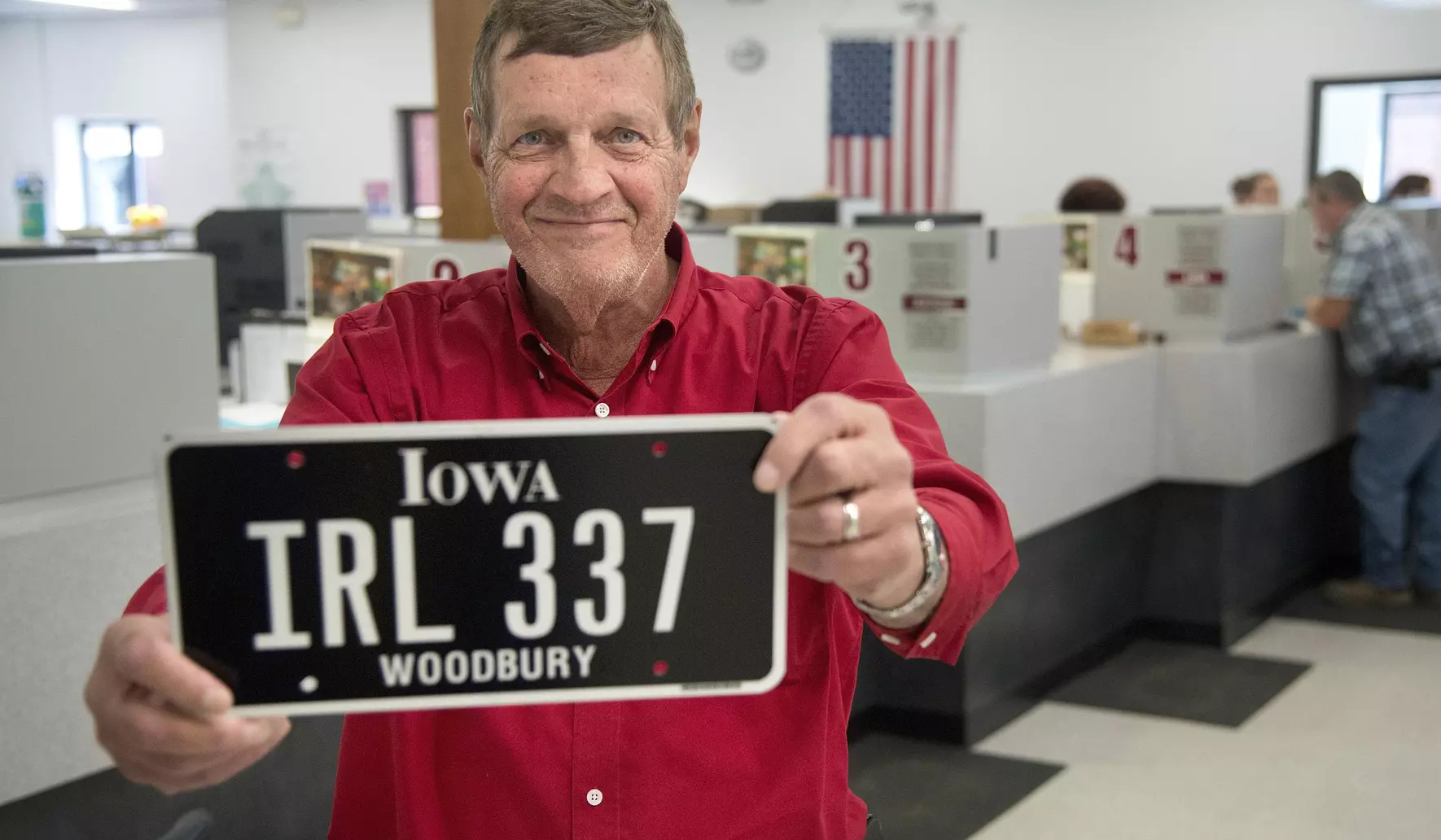
License plate collecting looks simple from the outside, but experienced collectors know that small details can separate a common piece of metal from a meaningful historical find. Iowa plates are a good example. At a glance, many seem straightforward: state name, registration number, date. Yet collectors who focus on Iowa know there is much more to evaluate before deciding whether a plate is worth buying, preserving, or passing over. The state’s long production history, shifting materials, county numbering traditions, and design changes make the category more interesting than many casual buyers expect.
A specialist at ShopLicensePlates notes that serious buyers usually begin with authenticity, condition, and year-to-year design accuracy before thinking about display value. For people comparing Iowa license plates, the advice is to study the exact era and registration format first, because two plates that look similar can differ sharply in collectibility.
Collectors in the United States often focus on plates that tell a story about local history, manufacturing methods, and changing registration systems. Iowa stands out because its plates reflect not only state identity but also county-based patterns and practical Midwestern design priorities. A collector may be interested in farm truck plates, passenger issues, special graphics, or older embossed examples, but the same core checks tend to come up again and again. These checks are not limited to high-end specialists. Anyone buying a single plate for a garage wall, office display, or family history project can benefit from understanding what experienced collectors notice first.
They Check the Year and Whether the Plate Matches the Period
The first question is usually simple: what year is the plate, and does every visible detail align with that year? For Iowa collectors, this matters because the state has used different color combinations, layout structures, slogans, validation methods, and serial formats over time. A plate may appear old, but its construction or numbering pattern can quickly reveal whether it actually belongs to the year claimed by a seller.
Collectors compare the plate to known production standards from the relevant period. They look at whether the date is embossed directly into the plate or represented by a sticker or tab. They examine how the state name is placed, whether the typography fits the issue period, and whether the paint scheme matches documented examples. Some older registrations used annual changes that seem minor to a casual eye, yet those small differences can make a major difference to a collector.
In Iowa, year accuracy is especially important because plates may be confused with neighboring Midwestern issues or with later reproductions. The state’s older plates often followed practical, high-visibility color pairings that collectors now recognize immediately, but the exact shades and arrangements still matter. A misdated plate can lose much of its interest if the number sequence, paint style, or stamp depth does not line up with the era.
This check also affects how a plate is classified in a collection. Some collectors organize by decade, while others build year runs, county runs, or type sets. If the year is wrong, the plate may not fit the collection at all. That is why experienced buyers rarely rely on a seller’s description alone. They inspect the physical features and compare them to trusted reference habits they have built over time.
The year check is not only about market value. It is also about historical integrity. A plate from the early twentieth century represents a very different registration environment from one issued in the late twentieth century. When a collector confirms the year correctly, the plate becomes more than a decorative object. It becomes a reliable artifact from a particular moment in Iowa transportation history.
They Examine County Numbers and Serial Formats
One of the most interesting things about Iowa collecting is the role of county identifiers. In older issues especially, county coding can add a layer of meaning that makes one plate far more desirable to a particular buyer than another. A person with family ties to Polk County, Linn County, Black Hawk County, or a smaller rural county may actively search for a specific numerical prefix or format connected to that place.
Collectors pay close attention to serial structure because it often reveals how the plate was assigned. In many older plate systems, the first number or number group identified the county, while the remaining characters indicated the registration sequence. To someone unfamiliar with the system, that detail may seem minor. To a collector, it can change the entire significance of the piece. A plate tied to a low-population county may be harder to find, while one from a more populous county may be more common, though still historically interesting.
This is one reason Iowa material holds such appeal. The state’s county-based traditions encourage collecting on several levels at once. Some people want one plate from every county. Others want the county connected to a hometown, family farm, or university town. Some focus on serial varieties within one year. The collecting field becomes broader because the same annual issue can produce dozens of targets depending on county code and configuration.
Collectors also check whether the serial spacing, digit style, and arrangement are consistent with known originals. Repainted or altered plates sometimes reveal themselves through incorrect character shapes or awkward spacing. A number may look genuine from a distance but turn suspicious when compared with standard examples. An altered county prefix can misrepresent rarity, which is why experienced buyers inspect it carefully.
In practical terms, serial analysis helps answer three questions. First, is the plate authentic to its issue period? Second, does it carry the county association the seller claims? Third, does that county link make the plate more personally or historically meaningful? On all three counts, Iowa collectors learn to read the number pattern almost as quickly as they read the year. That ability turns a plate from a generic old tag into a document of place.
They Inspect Paint, Embossing, and Surface Originality
Condition matters in every category of collecting, but plate collectors usually go beyond simple ideas of “good” or “bad” shape. Iowa collectors look for originality first. They want to know whether the paint is factory-applied, whether the embossing remains sharp, and whether the metal surface shows honest age rather than later cosmetic work intended to raise the price.
Original paint is one of the biggest factors. A plate with age wear, mild fading, and expected edge scuffs may be more desirable than one that has been repainted to look cleaner. Repainting can flatten small details, obscure the natural texture of old metal, and introduce color inaccuracies. To a casual decorator, a glossy repaint may seem attractive. To a collector, it may reduce authenticity. Many prefer a plate that shows its history clearly, as long as the identifying features remain readable and structurally sound.
Embossing is another major checkpoint. On authentic older plates, raised characters should have the right depth and clean contour for the issue. Heavy sanding, aggressive cleaning, or poor restoration work can soften those shapes. If the numbers and letters no longer have their original profile, collectors become cautious. Sharp embossing often indicates that the plate has survived with relatively little interference.
Surface inspection also includes checking for extra holes, bends, rust, cracks, and corrosion around mounting points. Iowa plates that spent years on working vehicles, especially in rural and winter conditions, often show wear consistent with actual use. That alone is not a problem. In some cases, moderate use adds credibility and character. The issue is whether damage has compromised the plate’s identity or display value. A clean, legible plate with light aging is very different from one with flaking metal or severe structural distortion.
Collectors also look at the back of the plate, not just the front. Rear surfaces can reveal repairs, grinding, rust progression, or signs of tampering that are less obvious from the display side. Dirt patterns, oxidization, and mounting traces can help confirm whether the piece has aged naturally.
This close attention to physical integrity reflects a basic collecting principle: scarcity alone is not enough. The object must still communicate what it is. On Iowa issues, where serial detail and year-specific design matter so much, a compromised surface can erase part of the story. That is why seasoned collectors treat originality as a core test rather than a secondary concern.
They Verify Whether the Plate Has Been Restored, Repainted, or Reproduced
Restoration is one of the most debated subjects in license plate collecting. Some buyers accept quality restoration for display purposes, while others want only untouched originals. In the Iowa field, collectors nearly always want clear disclosure. They do not necessarily reject restored material outright, but they want to know exactly what has been done.
A professionally restored plate can look impressive on a wall, yet from a collector’s standpoint it occupies a different category from an original survivor. The market often values those two items differently. Problems arise when a restored plate is presented as fully original, or when a reproduction is sold in a way that blurs the distinction. That is why experienced collectors inspect details that suggest post-production work.
They look for paint that sits too thickly around raised characters, edges that appear freshly coated, or colors that feel slightly off compared with known examples. They watch for modern-looking gloss on plates that should have a flatter finish. They check for sanding marks, filled holes, or surfaces that are unnaturally smooth. Even a strong restoration can reveal itself through small inconsistencies in texture and color separation.
Reproductions bring a different set of concerns. Some are sold openly as decorative pieces, which is straightforward. Others may circulate in ways that confuse new buyers. Reproductions can have incorrect metal thickness, wrong font proportions, poor embossing, or layout differences that do not match documented Iowa issues. A beginner may miss those cues, but collectors train themselves to compare suspect examples against trusted references and repeated exposure to real plates.
This matters because collecting is not only about appearance. It is about confidence in what the object represents. When someone buys a plate said to be from a certain Iowa year or county, they expect that claim to hold up under scrutiny. A restoration may still have value, particularly for casual display, but only when it is honestly described. A reproduction may still be useful as décor, but it should not enter the market disguised as history.
For that reason, experienced collectors ask direct questions, request close photographs, and study the plate from multiple angles whenever possible. They know that once originality becomes uncertain, every other aspect of collectibility becomes harder to judge.
They Consider Rarity, Demand, and the Story Behind the Plate
Not every old plate is rare, and not every rare plate is in high demand. Iowa collectors constantly balance those two ideas. A plate may have low survival numbers because it came from a short production period, a low-population county, or a specialized vehicle category. Another may be easier to find but still draw strong interest because it has a striking design, broad display appeal, or connection to a certain era of Midwestern driving culture.
Collectors therefore assess context, not just scarcity. Passenger plates often attract the largest base of buyers, but truck, farm, dealer, motorcycle, trailer, or special-use plates may be more unusual. The appeal depends on who is looking and why. Some collectors specialize by type, which means an otherwise overlooked plate can become highly desirable within a narrower niche.
Story also matters. A plate connected to a family county, a birth year, or a historically meaningful period often becomes more desirable to an individual buyer than general price guides would suggest. Iowa’s strong county identity amplifies this effect. A person may seek a plate not because it is objectively the rarest example, but because it links to a family business, an agricultural background, or a town where several generations lived. That emotional connection is common in collecting and often shapes actual purchasing behavior.
Demand can also shift over time. Graphic issues, clean embossed examples, and plates from visually distinctive eras may become more popular as display trends change. At the same time, more advanced collectors may move toward technically difficult targets such as hard-to-find county prefixes or obscure type variations. The result is a market where value is not fixed by age alone.
Experienced buyers know that rarity claims should be treated carefully. Sellers often use terms like “rare” loosely. Collectors prefer evidence: limited-known examples, infrequent appearance in the market, unusual county associations, or special formats seldom seen in collections. They also consider condition and originality alongside rarity, because a scarce plate in poor or questionable condition may still be less appealing than a better-preserved example from a slightly more available issue.
In the end, collectibility comes from the combination of scarcity, demand, design, and personal meaning. Iowa plates often perform well in this respect because they offer several layers of interest at once.
They Decide Whether the Plate Fits a Collection, Display, or Long-Term Goal
The final check is practical. A collector asks whether the plate truly fits the purpose for which it is being bought. This sounds basic, but it is often the step that keeps experienced buyers from making impulsive purchases. A plate may be authentic, attractive, and fairly priced, yet still not belong in a particular collection.
Some collectors build structured sets. They may want one Iowa passenger plate from every decade, a full county run for a single year, or a sequence tied to a particular registration style. Others buy for display in a home office, workshop, restaurant, or garage. Those two goals can overlap, but they are not identical. A plate with moderate wear might be excellent for a themed display while being less suitable for a collection focused on top-condition examples.
Display considerations include color, readability, size, and visual balance. Iowa issues from certain eras are especially popular because they present clean typography and strong contrast, making them easy to read on a wall. Yet collectors still prefer that visual appeal to rest on authenticity rather than cosmetic repair. They want a plate that looks right, not merely one that looks old.
Long-term goals also matter. Some buyers start casually and later become more selective. A person who begins with decorative interest may eventually want historically correct examples with traceable issue characteristics. Experienced collectors think ahead. They ask whether the plate will still make sense in the collection five years from now, or whether it will be replaced once a more accurate example appears.
Budget enters the picture here as well. The smartest collectors do not simply chase the most expensive pieces. They look for plates that add something specific to their holdings. That may mean prioritizing a difficult county code, a better condition example of a year already represented, or a type plate that expands the range of the collection. Discipline often matters more than spending power.
This is where knowledge turns into judgment. By the time a collector has checked the year, serial format, condition, originality, and rarity, the remaining question is whether the plate serves a real purpose. For Iowa collectors, that purpose may be historical, personal, visual, or all three at once. The best purchases usually satisfy more than one of those goals.
Iowa collecting rewards attention to detail. The most experienced hobbyists do not look at a plate as a simple state souvenir. They see a record of place, time, and registration practice. That is why they always slow down and check the fundamentals first. Whether someone is buying a single display piece or building a serious collection, those same habits lead to better decisions and a stronger appreciation for what these plates represent.