
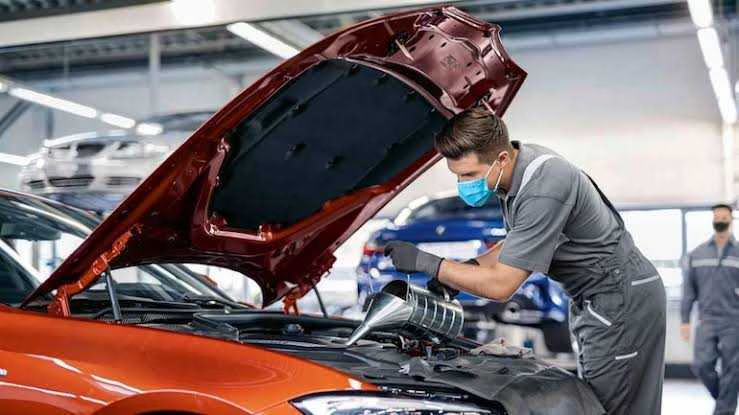
Few household surprises trigger financial dread quite like an unexpected rattle beneath the floorboards or an amber warning light illuminating the instrument cluster. Modern automobiles are triumphs of complex mechanical and electrical engineering, which means repairing them requires sophisticated diagnostic tooling, specialized training, and expensive parts. Confronted with a major mechanical issue, many drivers assume they face a grim binary choice: pay exorbitant dealership labor rates or entrust their vehicle to a cut-rate neighborhood mechanic operating out of a cluttered back alley.
This trade-off between fiscal sanity and mechanical integrity is entirely false. High repair prices do not automatically guarantee flawless workmanship, nor does competitive pricing indicate sloppy, dangerous compromises. The key to securing affordable, high-caliber automotive service lies in understanding how the repair industry structures its costs, learning how to evaluate technician competence, and knowing which parts deliver lasting reliability without dealer-level markups.
Look Beyond the Dealership Counter to Certified Independent Specialists
Franchised new-car dealerships carry monumental overhead. Between cavernous, climate-controlled customer lounges, fleets of complimentary late-model loaner vehicles, dedicated service greeters, and corporate branding mandates, dealerships operate with immense fixed operational expenses. They offset these costs through aggressive labor rates, which routinely run anywhere from thirty to fifty percent higher than independent repair facilities in the same zip code.
Independent repair facilities, by contrast, focus their capital on the shop floor rather than luxury amenities. The top tier of independent shops employ technicians holding certifications from the National Institute for Automotive Service Excellence (ASE). An ASE certification confirms that a mechanic has logged verified field experience and passed rigorous, regularly updated technical examinations covering specific automotive systems. A shop staffed by ASE Master Technicians offers the exact same diagnostic capability and mechanical precision as a dealership bay, but without the inflated hourly overhead.
If you drive a specific import or specialized vehicle line—such as a German luxury marque, an electric vehicle, or a heavy-duty diesel—seek out dedicated brand-specialist independents. These focused shops invest in factory-level scan tools and proprietary diagnostic software specifically for those nameplates. Because their technicians work on the exact same engine families and chassis layouts every single day, their diagnostic accuracy is exceptional, which eliminates the costly trial-and-error labor that often plagues generalist garages.
Demystify the Estimate: Parts, Labor, and Book Time
A major source of vehicle repair anxiety stems from confusing, opaque invoices. Regaining control of the process starts with asking for an itemized, written estimate before granting mechanical authorization, and understanding how the shop arrives at that total.
Auto shops bill labor according to flat-rate labor guides, commonly referred to in the industry as book time. Industry guides calculate a standardized number of labor hours required to complete a given procedure under typical conditions. If the book time for an alternator replacement on your vehicle is two and a half hours, the shop will bill you for two and a half hours of labor, regardless of whether a skilled technician finishes the physical job in ninety minutes or encounters a stubborn bolt that extends the job to three hours.
Understanding this system protects your budget:
- Request a complete breakdown that cleanly separates labor hours, the shop’s hourly labor rate, part numbers, shop supplies, and disposal fees.
- Question any estimate where the shop appears to stack overlapping labor. For instance, if a technician is already removing the serpentine belt and cooling fan to replace a water pump, they should not bill full standalone labor to swap a worn idler pulley located directly along that same dismantled path.
- Inquire about the shop’s diagnostic fee policy. Reputable facilities charge a standardized diagnostic rate to isolate an electrical or engine problem, but many will apply a portion of that diagnostic fee directly toward the total labor cost if you hire them to complete the repair.
Choose the Right Tier of Replacement Parts
The cost of parts often accounts for more than half of a total repair bill. Dealerships universally install original equipment parts boxed under the automaker’s logo, carrying significant branding premiums. Independent repair facilities give you the flexibility to choose alternative part tiers that match both your budget and your vehicle’s mechanical demands.
When to Insist on OES Components
Automakers rarely manufacture their own alternators, fuel injectors, oxygen sensors, or brake boosters. Instead, they outsource the design and manufacturing of these precision assemblies to Tier-1 industrial suppliers such as Bosch, Denso, Aisin, Continental, and ZF.
When you purchase an Original Equipment Supplier (OES) component, you receive the identical part installed on the factory assembly line, built to the exact same metallurgical tolerances and quality standards, but packaged under the supplier’s brand name. Choosing OES components over dealer-packaged parts routinely cuts the parts bill by thirty to forty percent with zero loss in reliability. For complex electronic sensors, engine timing assemblies, and internal transmission components, OES remains the undisputed sweet spot.
Where High-Grade Aftermarket and Remanufactured Parts Excel
For common wear items—such as suspension struts, control arms, brake pads, rotors, and radiators—established aftermarket manufacturers often offer parts that perform as well as, or better than, factory originals. Elite aftermarket companies frequently identify known engineering flaws in original designs and produce reinforced components with thicker castings, serviceable grease fittings, or upgraded rubber compounds.
Similarly, consider remanufactured components for major rotating or hydraulic assemblies like starters, alternators, steering racks, and brake calipers. Unlike junkyard parts that are pulled and sold in used condition, remanufactured units are completely disassembled in an industrial remanufacturing plant. The core housing is cleaned, inspected, and outfitted with brand-new internal wear items, bearings, brushes, and seals, then bench-tested to original performance parameters. Remanufactured parts offer factory performance at a substantial discount, making them ideal for vehicles approaching or exceeding the hundred-thousand-mile threshold.
Invest in Accurate Diagnostics Instead of the Parts Cannon
When a vehicle exhibits a strange hesitation, misfire, or intermittent electrical short, the most expensive approach is what technicians casually call firing the parts cannon: blindly replacing components one after another based on hunch or a generic fault code until the problem eventually disappears.
Many drivers attempt to cut costs by taking their car to a retail auto parts store for a free scan when the check engine light illuminates. While these handheld scans retrieve the alphanumeric diagnostic trouble code, a code is not a diagnosis. A code indicating a lean fuel mixture does not automatically mean the oxygen sensor has failed; it could just as easily point to a cracked vacuum hose, an intake manifold gasket leak, a stuck purge valve, or a weak fuel pump.
Replacing a perfectly functional sixty-dollar sensor because a code reader flagged a symptom solves nothing. Pay a competent technician a fair diagnostic fee to connect an advanced oscilloscope and bidirectional scan tool, perform smoke tests, and run pressure checks. Spending an hour of paid diagnostic labor to isolate the precise root cause eliminates unnecessary parts purchases, saving you hundreds of dollars in wasted labor and misdirected repairs.
Modern Transparency: Digital Vehicle Inspections and Guarantees
The modern automotive repair landscape has been transformed by technology, giving consumers unprecedented insight into the actual condition of their vehicles. Look for facilities that utilize Digital Vehicle Inspections (DVIs).
During a DVI, the technician photographs and records short video clips of the worn or damaged parts directly on the lift, accompanied by digital measurement readouts for tire tread depths and brake pad thickness. This comprehensive report is texted or emailed directly to your phone before any work begins. Seeing a torn CV axle boot actively spewing grease or a weeping water pump gasket with your own eyes removes the suspicion of upselling and allows you to make informed decisions based on physical evidence.
Equally important is the warranty backing the craftsmanship. An exceptional shop stands firmly behind its work. Avoid any facility that limits its workmanship warranty to thirty days or refuses to cover labor on a failed replacement part. High-integrity independent shops generally offer a minimum twelve-month or 12,000-mile warranty, with top-tier network facilities extending coverage to twenty-four or thirty-six months and 24,000 to 36,000 miles. Affiliations with nationwide service networks, such as NAPA AutoCare, TechNet Professional, or AAA Approved Auto Repair, provide an added layer of financial protection: if a repair fails while you are traveling far from home, the warranty is honored by thousands of participating partner shops across the country.
Establish a Working Relationship Before an Emergency Strikes
The worst moment to evaluate an automotive repair shop is from the cab of a flatbed tow truck while your car leaks coolant onto the asphalt. When you are stranded, stressed, and facing an immediate transportation crisis, your negotiating power drops to zero, and you are far more likely to accept an inflated estimate simply to get your vehicle back on the road.
Build a relationship with an honest, independent mechanic while your car is running well. Schedule a minor routine service, such as a scheduled oil change, tire rotation, or pre-trip safety check. Use that modest service visit as an informal audit:
- Observe the cleanliness and organization of the service bays and customer areas.
- Gauge whether the service advisor communicates clearly, explains technical issues in plain English, and treats your time with respect.
- Pay close attention to how they handle recommended maintenance. Do they provide a prioritized list categorizing items into immediate safety hazards versus items to monitor down the road, or do they apply aggressive sales pressure to flush every fluid system immediately?
A shop that treats a routine oil change with professional care, communicates transparently, and demonstrates restraint when recommending secondary repairs is a shop that has earned your trust. When a major mechanical breakdown inevitably occurs, you will have a proven, dependable advocate in your corner—ensuring your car is repaired safely, expertly, and at a price that respects your financial boundaries.