
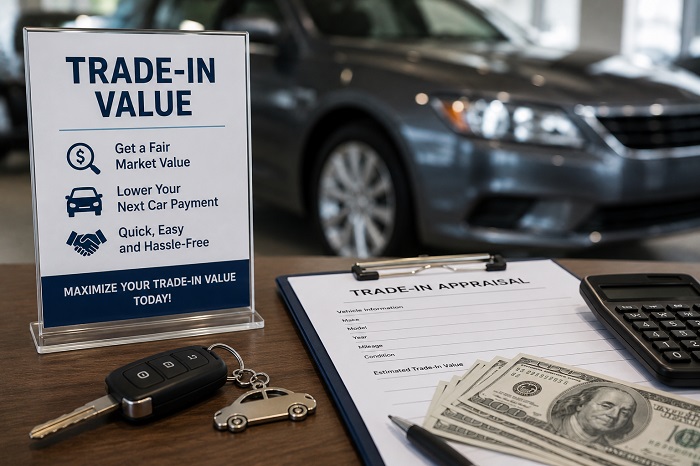
Dealership trade-in appraisals are fast, calculated, and inherently cynical. When an appraiser walks out to evaluate your vehicle, they are not searching for reasons to give you top dollar. Instead, they circle the vehicle looking for visible defects to justify a lower wholesale valuation. In dealership terminology, this calculation centers on the internal reconditioning cost—the estimated expense required to prepare your vehicle for the used-car lot or send it off to auction.
Every foggy headlight, door ding, interior odor, and dashboard warning light gives the appraiser an excuse to deduct hundreds of dollars from your offer. The secret to maximizing your payout is not investing in major mechanical overhauls, which rarely yield a positive return on investment. The winning strategy lies in tackling minor, high-visibility flaws that suggest neglect. By eliminating these superficial red flags before you set foot on the dealership lot, you remove the appraiser’s leverage and preserve your vehicle’s true equity.
1. Eliminate Cabin Odors and Replace the Cabin Air Filter
First impressions happen the moment the appraiser opens the driver’s door. If they are greeted by the stale smell of cigarette smoke, wet dog, or damp upholstery, your vehicle is instantly categorized as a problem child. Dealerships routinely deduct three hundred to five hundred dollars for an interior that requires extensive odor remediation, assuming they will need to pull carpets or pay for commercial detailing.
Masking the smell with heavy pine or vanilla air fresheners rarely works and often raises suspicions that you are concealing a mold issue. Instead, attack the source. Thoroughly shampoo the floor mats, vacuum the seat crevices, and wipe down hard surfaces with an interior cleaner.
For persistent smells, rent or purchase an inexpensive ozone generator and run it inside the closed vehicle for thirty minutes, followed by an hour of ventilation. Cap off the effort by installing a brand-new cabin air filter, which typically costs under twenty dollars and takes five minutes to swap through the glovebox. When the appraiser runs the ventilation system, they will register crisp, neutral air rather than musty odors.
2. Clear Minor Dashboard Warning Lights and Sensors
A glowing yellow icon on your instrument cluster triggers immediate alarm for an appraiser. Even if your car runs smoothly, a lighted Check Engine light, Tire Pressure Monitoring System (TPMS) alert, or ABS icon forces the evaluator to assume the worst-case mechanical failure, resulting in an aggressive deduction.
Before presenting the vehicle, plug an inexpensive OBD-II scanner into the diagnostic port beneath the steering column to identify the stored error codes. Often, warning lights stem from trivial, inexpensive issues. A loose or degraded fuel filler cap is one of the most common triggers for an evaporative emissions code, and a replacement cap costs less than twenty dollars.
Similarly, a flashing TPMS light might simply indicate that a tire dropped two pounds of pressure during a cold morning, or that a single fifty-dollar wheel sensor needs replacement. Resolving these minor fault codes removes the visual alarm and prevents the dealer from billing you for phantom transmission or engine repairs.
3. Buff Out Surface Scratches and Blend Stone Chips
Appraisers run their fingers along body panel edges and scrutinize clear-coat finishes under overhead lot lighting. While deep gouges that penetrate the primer require professional bodywork, the vast majority of surface imperfections are superficial swirl marks, branch scrapes, and clear-coat transfers from parking lot bumps.
Run your fingernail gently across the scratch. If your nail glides over without catching, the damage is isolated within the clear coat and can be eliminated at home. Grab a bottle of mild rubbing compound, a microfiber applicator, and a quality finishing polish. With fifteen minutes of steady hand pressure, you can buff out scuffs around door handles, trunk sills, and bumper corners.
For small stone chips on the hood that have exposed the gray primer below, order a factory-matched touch-up paint pen using your vehicle’s specific paint code, found on the driver’s door jamb placard. Dab a minute amount of pigment directly into the chip to seal the exposed metal and restore visual uniformity from five feet away.
4. Restore Cloudy and Oxidized Headlights
Polycarbonate headlight lenses degrade over time under ultraviolet radiation, developing a hazy, yellowed film that ages the appearance of an entire front end. Even on a mechanically sound vehicle with pristine paint, cloudy headlights make the car look five years older than its model year suggests, subtly pushing the appraiser toward lower tier pricing brackets.
Consumer headlight restoration kits cost between fifteen and twenty-five dollars and deliver dramatic cosmetic results within forty-five minutes. These kits employ a progressive series of fine-grit wet sandpaper, clarifying compound, and a protective UV-blocking ceramic sealant. Clearing that yellow oxidation restores the optical clarity of the assemblies, brightens night illumination, and makes the front fascia of your vehicle look well-tended.
5. Tackle Parking Lot Dings with Paintless Dent Repair
Nothing betrays daily commuter wear quite like a constellation of small door dings along the bodyside character lines. Dealerships routinely mark down trade-ins substantially for sheet-metal imperfections, citing the cost of outside sublet reconditioning.
Before bringing your car to the dealer, consider hiring a mobile paintless dent repair (PDR) technician. These specialists use specialized leverage rods and suction equipment to massage dents out from the backside of the metal panel without disturbing the original factory paint. Mobile PDR technicians often charge around seventy-five to one hundred and fifty dollars for an initial dent, with heavily discounted rates for each additional ding on the same panel. Removing three or four prominent indentations from your doors can easily prevent a four-hundred-dollar cosmetic penalty during the appraisal walk-around.
6. Replace Worn Consumables and Top Off Fluid Levels
When an appraiser pops the hood and inspects the engine bay, they are looking for evidence of consistent routine maintenance. Low fluid reservoirs, peeling wiper blades, and dirty terminals paint a picture of an owner who deferred basic service until the vehicle broke down.
Inspect all primary fluid reservoirs beneath the hood. Top off the windshield washer fluid, ensure engine oil levels register correctly on the dipstick, and confirm that brake and coolant reservoirs sit squarely between their minimum and maximum fill indicators.
Outside the vehicle, check your windshield wiper blades. If the rubber is torn, streaking, or chattering across the glass, spend thirty dollars on a fresh set. Replace any burnt-out parking lamps, license plate bulbs, or turn signal indicators. These small details cost negligible amounts of money, but they send an undeniable psychological signal that the vehicle has been operated with discipline.
7. Track Down the Second Key Fob and Factory Accessories
One of the sharpest line-item deductions on an appraisal sheet involves missing secondary equipment. Modern smart key fobs feature complex transponders and integrated proximity sensors. Replacing and programming a missing key fob at a dealership frequently costs between three hundred and five hundred dollars, and the appraiser will subtract that expense directly from your trade-in offer.
Search your home drawers, check with family members, and locate that spare master key before heading to the showroom. Additionally, gather all the original equipment that came standard with your vehicle trim.
Reinstall the factory carpeted floor mats if you swapped them for rubber trays, snap the retractable rear cargo security cover back into its mounting tracks, and verify that the spare tire, mechanical jack, and lug wrench are neatly stowed under the trunk floorboard. Presenting a complete, fully equipped vehicle prevents the dealer from nickel-and-diming your equity on basic interior gear.
Executing these low-cost fixes shifts the balance of power back into your hands. When you roll up to the appraisal bay with a quiet cabin, clear lenses, intact sheet metal, and complete factory hardware, you present a clean, turn-key vehicle that needs minimal prep to hit the front lot. By erasing easy reasons for the dealer to discount your car, you protect your hard-earned equity and set a strong, confident baseline for your next vehicle purchase.